Aileen Wuornos’ story continues to reverberate through society, leaving an indelible mark on popular culture, shaping our understanding of female serial killers, and sparking ongoing debates about crime, punishment, and mental health. This final post in this series will explore the legacy of Aileen Wuornos, examining her influence on popular culture, her contribution to the understanding of female serial killers, and the lessons we can learn from her tragic life.
Influence on Popular Culture
Wuornos’ life and crimes have captivated the public imagination, inspiring a wealth of creative works. Books like “The Last Resort” by Diana Serra Cary and “Dead Ends” by Sue Russell delve into the complexities of her case. Documentaries such as Nick Broomfield’s “Aileen Wuornos: The Selling of a Serial Killer” and “Aileen: Life and Death of a Serial Killer” offer a closer look at her life and the circumstances surrounding her crimes. The 2003 film “Monster,” starring Charlize Theron in an Academy Award-winning performance, brought Wuornos’ story to a wider audience, sparking debate about the nature of evil and the possibility of redemption.

Wuornos’ story has also been the subject of numerous songs, poems, and other works of art. Her life and crimes have been referenced in popular culture, including in the television show “Law & Order: Special Victims Unit” and the film “The Silence of the Lambs.” The enduring fascination with Wuornos’ story is a testament to the power of her life and the complexity of her crimes.
Contribution to the Understanding of Female Serial Killers
Wuornos’ case challenged the prevailing stereotype of serial killers as predominantly male and sexually motivated. Her crimes were not driven by a desire for sexual gratification but rather by a complex mix of anger, desperation, and a distorted sense of justice. Her story highlighted the fact that women can be just as capable of violence as men and that their motivations for killing can be just as diverse and complex. This has led to a greater focus on understanding the unique factors that contribute to female serial killing, such as childhood trauma, mental illness, and societal pressures.
Wuornos’ case also highlighted the importance of understanding the role of mental illness in criminal behavior. Wuornos was diagnosed with borderline personality disorder and antisocial personality disorder, both of which are associated with impulsivity, aggression, and a lack of empathy. Her case has led to a greater focus on the need for accessible and effective mental health care for at-risk individuals.
Lessons Learned
Aileen Wuornos’ tragic life and violent crimes offer valuable lessons for society.
Importance of Addressing Childhood Trauma
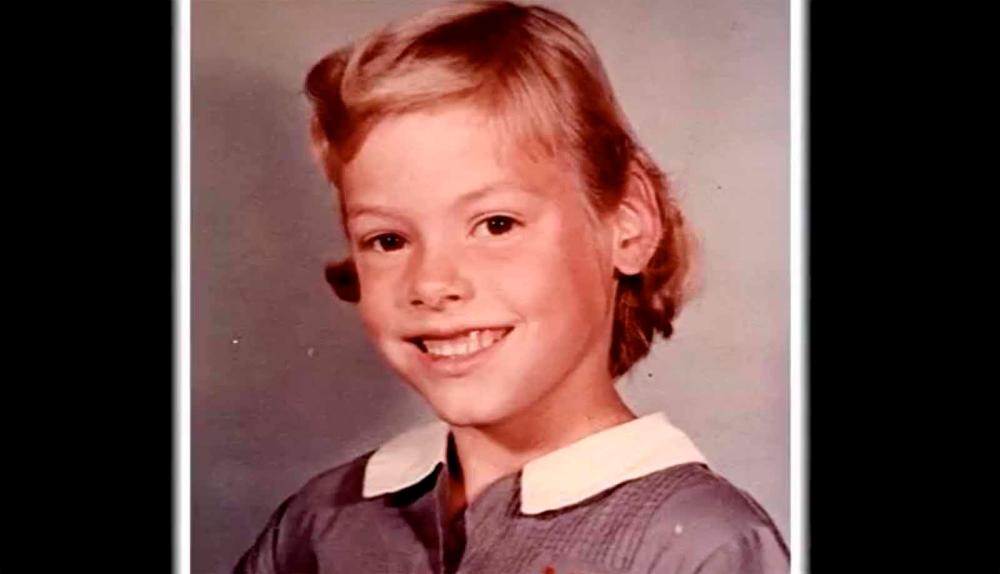
Wuornos’ story is a stark reminder of the devastating consequences of unaddressed childhood trauma. The abuse, neglect, and abandonment she experienced as a child left deep emotional scars that contributed to her later violent behavior. By investing in early intervention programs and providing support to children who have experienced trauma, we can help to break the cycle of violence and prevent future tragedies. Organizations like the National Child Traumatic Stress Network (NCTSN) offer resources and support to children, families, and communities affected by trauma.

Providing Adequate Mental Health Care
Wuornos’ case also underscores the critical need for accessible and effective mental health care. Despite being diagnosed with borderline personality disorder and antisocial personality disorder, Wuornos did not receive the treatment she needed to manage her symptoms and address the underlying causes of her distress. By expanding access to mental health services and reducing the stigma surrounding mental illness, we can help individuals like Wuornos get the help they need and potentially prevent them from engaging in criminal behavior. Organizations like the National Alliance on Mental Illness (NAMI) advocate for mental health awareness and access to care.
Reforming the Criminal Justice System
Wuornos’ case raises questions about the effectiveness and fairness of the criminal justice system, particularly in its handling of individuals with mental illness. Her execution has sparked debate about the appropriateness of the death penalty, especially in cases where the defendant has a history of mental illness and trauma. Some argue that the death penalty is a cruel and unusual punishment that does not deter crime and disproportionately affects marginalized populations. Others believe that it is a just form of retribution for heinous crimes. This ongoing debate highlights the need for continued reform of the criminal justice system to ensure that it is both just and compassionate.
A Call for Compassion
Aileen Wuornos’ story is a stark reminder of the human capacity for both darkness and redemption. While her crimes were undeniably horrific, her life was also marked by profound suffering and a desperate struggle for survival. By approaching her story with compassion and understanding, we can learn valuable lessons about the root causes of violence and the importance of addressing the needs of those who have been marginalized and traumatized by society.

We must strive to create a society that prioritizes prevention and rehabilitation over punishment. This means investing in early intervention programs for at-risk children, providing accessible and affordable mental health care, and reforming the criminal justice system to focus on rehabilitation and reintegration rather than retribution.
By embracing a more compassionate approach to crime and punishment, we can break the cycle of violence and create a safer and more just society for all. Aileen Wuornos’ legacy, though tragic, can serve as a catalyst for positive change, reminding us that even in the darkest of hearts, there is always the potential for light.
Sources
- Biography.com has a really great article on Wuornos.
- This book, Dear Dawn, is a collection of Wuornos’s letters from prison to her childhood friend, Dawn Botkins. It is truly a special book, giving us a look inside her thoughts and her communications with one of the few people in life who truly cared about her.
- Monster is a book written by Wournos along with Christopher Berry-Dee. I’m not a fan of the title, as I truly believe she is more of a victim than a monster, but this is a great book with excellent insights and analysis.
As an Amazon Associate, I earn from qualifying purchases. I include the links to books that I have found interesting.
 The Crime Chronicles
Leave a comment