In the first post in this series, we looked at the background of Aileen Wuornos and learned about her victims. In this second post, we examine how her horrific upbringing shaped who she became. While it is important to always remember that her victims did not deserve to be murdered, we can also understand what drove Wuornos to her actions.
The Arrest and Trial
Wuornos’ reign of terror came to an end on January 9, 1991, when she was arrested at a biker bar in Harbor Oaks, Florida, on an outstanding warrant. Police had been tracking her movements and, upon her arrest, they located Tyria Moore and used her to elicit a confession from Wuornos.

Three days later, on January 16, 1991, Wuornos confessed to the murders, initially claiming self-defense against attempted rape. Wuornos was charged with the first-degree murder of Richard Mallory, armed robbery with a firearm or deadly weapon, and possession of a firearm by a convicted felon.
Prosecutors sought the death penalty based on the charge of murder committed in the course of a robbery.
Tyria Moore, Wuornos’ former girlfriend, testified against her during the trial. Those close to her considered this a turning point for Aileen. Her feelings of abandonment by Tyria, one of the few people in her life who she loved and loved her back, was devastating.
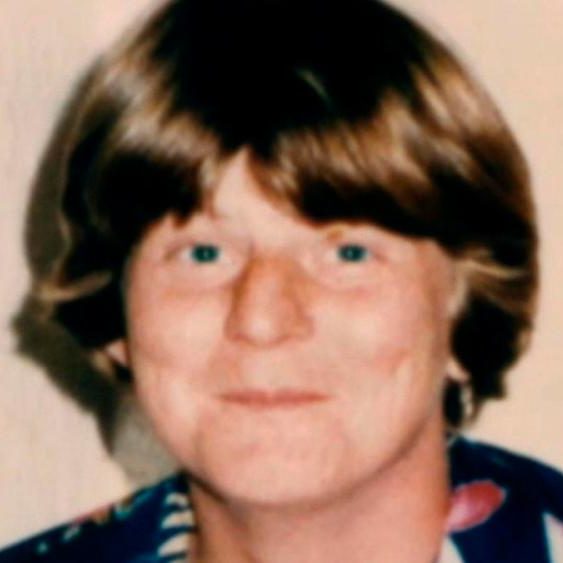
The trial jury found Wuornos guilty of first-degree murder and armed robbery with a firearm. The penalty phase began on January 28, 1992. The defense presented psychological evaluations from three experts who concluded that Wuornos suffered from borderline personality disorder at the time of her crime, resulting in extreme mental or emotional disturbance. They argued that her ability to conform her conduct to the requirements of the law was substantially impaired and that she exhibited evidence of brain damage.
The State’s expert psychologist, Dr. Bernard, agreed with the diagnosis of borderline personality disorder but also diagnosed Wuornos with antisocial personality disorder. He acknowledged that Wuornos experienced impaired capacity and mental disturbance at the time of the crime but concluded that the impairment was not substantial and the disturbance was not extreme. He also acknowledged the presence of nonstatutory mitigating evidence, such as Wuornos’ mental problems, alcoholism, disturbance, and genetic or environmental deficits.
The jury recommended the death sentence by a vote of 12 to 0, citing five aggravating circumstances and only one mitigating factor (Wuornos’ borderline personality disorder) in her case.
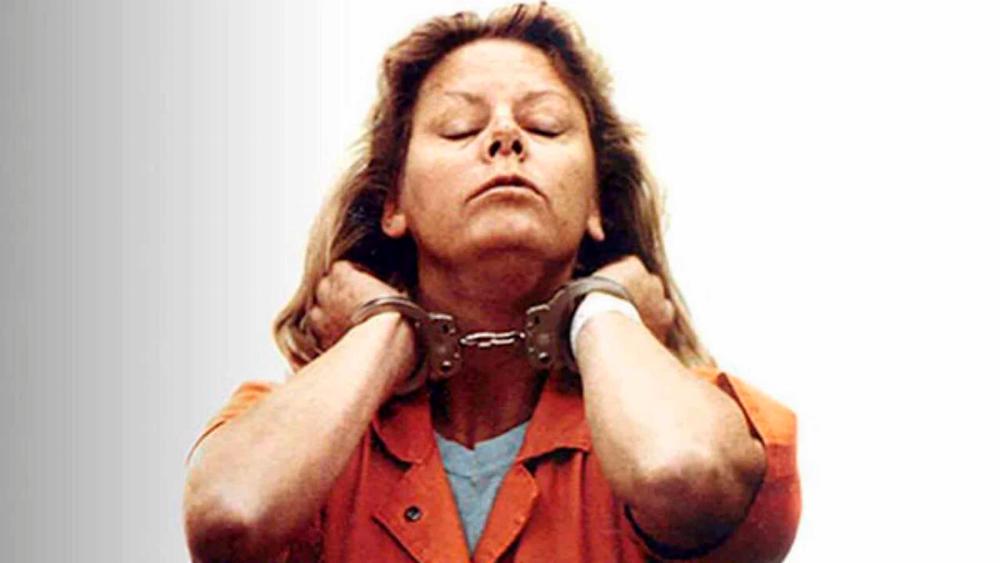
The aggravating circumstances included her previous felony conviction involving violence, the murder being committed during a robbery and to avoid arrest, the heinous and cruel nature of the murder, and its premeditated and calculated execution.
The judge accepted the jury’s recommendation and sentenced Wuornos to death by electric chair on January 31, 1992. She was later sentenced to death for five additional murders, bringing her total to six death sentences. No charges were brought against her for the murder of Peter Siems, as his body was never found.
The Monster Within: The Psychological Profile
Aileen Wuornos’ descent into violence was fueled by a complex interplay of psychological factors, stemming from a deeply troubled childhood, significant mental health issues, and a personality marked by impulsivity and disregard for social norms.
Childhood Trauma:
Wuornos’ early life was a breeding ground for psychological trauma. Her father left before she was born. Abandoned by her mother, raised by abusive grandparents, and sexually abused at a young age, she experienced a profound sense of rejection and betrayal. The forced adoption of her child at 14 further compounded her emotional wounds, leaving her feeling powerless and alone.

These early experiences likely contributed to the development of deep-seated anger, mistrust, and a distorted view of relationships, setting the stage for her later violent outbursts.
Borderline Personality Disorder (BPD):
Wuornos was diagnosed with borderline personality disorder (BPD), a mental illness characterized by intense mood swings, unstable relationships, impulsive behavior, and a fear of abandonment.
People with BPD often struggle with regulating their emotions and may engage in self-harming behaviors or have suicidal thoughts. Their relationships are often tumultuous, marked by idealization and devaluation of others. Wuornos’ impulsive behavior and difficulty maintaining stable relationships are consistent with the symptoms of BPD.
Antisocial Personality Disorder (ASPD):
Wuornos was also diagnosed with antisocial personality disorder (ASPD), a personality disorder characterized by a pervasive pattern of disregard for and violation of the rights of others. People with ASPD often lack empathy, remorse, and a sense of responsibility for their actions. They may engage in deceitful, manipulative, and impulsive behavior, and have a history of criminal activity. Wuornos’ repeated brushes with the law, disregard for the lives of her victims, and lack of remorse for her crimes are indicative of ASPD.
Sources
- Biography.com has a really great article on Wuornos.
- This book, Dear Dawn, is a collection of Wuornos’s letters from prison to her childhood friend, Dawn Botkins. It is truly a special book, giving us a look inside her thoughts and her communications with one of the few people in life who truly cared about her.
- Monster is a book written by Wournos along with Christopher Berry-Dee. I’m not a fan of the title, as I truly believe she is more of a victim than a monster, but this is a great book with excellent insights and analysis.
As an Amazon Associate, I earn from qualifying purchases. I include the links to books that I have found interesting.
 The Crime Chronicles
Leave a comment