I will start this series by stating up front that Aileen Wuornos is probably the only serial killer that I think is more of a victim than her victims. With her background, there was no way that she was going to function in any kind of society. I personally don’t even think of her as a serial killer – there is generally some sort of compulsion, ritual, or sexual pleasure that are connected with a serial killer’s crimes. Wuornos was broken, desperate, and lost. Her victims were using her, and at least one had a history or rape, making her claims of self-defense believable in at least his case.
The Making of Aileen Wuornos
Aileen Carol Wuornos, born Aileen Carol Pittman on February 29, 1956, in Rochester, Michigan, was an American serial killer who murdered seven men in Florida between 1989 and 1990.
Her life was a tragic tapestry woven with threads of abandonment, abuse, and a desperate struggle for survival, ultimately leading her down a path of violence and despair.
Wuornos’ childhood was marked by profound instability and trauma. Her parents, Diane Wuornos and Leo Pittman, divorced before her birth. Wuornos never knew her biological father, who suffered from paranoid schizophrenia, was imprisoned for child rape, and later died by suicide while in custody.
Her mother abandoned Aileen and her older brother, Keith, when they were young. They were raised by their maternal grandparents, Lauri and Britta Wuornos, who legally adopted them. Aileen reported that she was sexually abused by her grandfather and that she engaged in sexual activity with her brother as well.
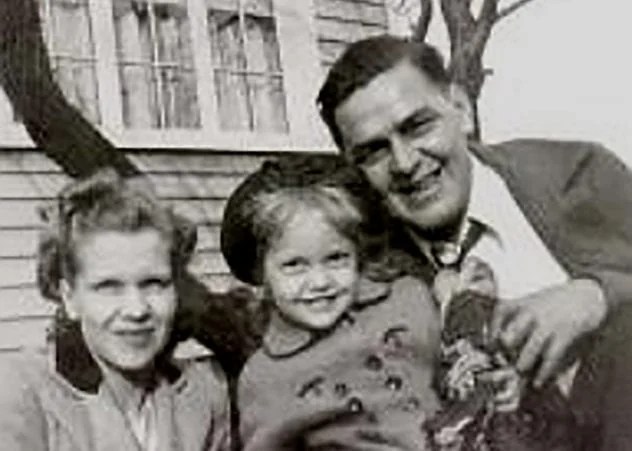
A fire scarred Wuornos’ face when she was a young girl, leaving a physical reminder of the hardships she endured. At the tender age of 11, she began trading sexual favors for money, beer, and cigarettes, a desperate attempt to cope with her harsh reality. She reported that she was sexually abused by her grandfather and that she engaged in sexual activity with her brother as well.
Wuornos ran away from home on multiple occasions and eventually was sent to juvenile detention. At 14, she became pregnant by a neighbor, who was allegedly an older adult friend of her grandfather. She gave the child up for adoption and was soon kicked out of her home, left to fend for herself on the streets.
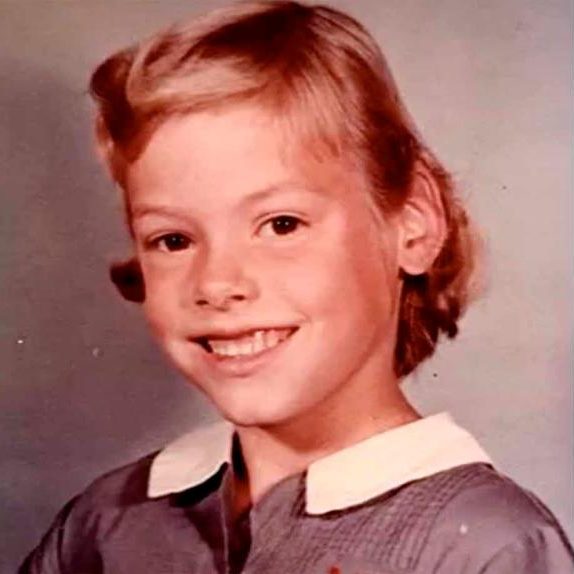
Wuornos spent the next few years living a transient and perilous existence, hitchhiking around the country, and engaging in prostitution to survive. She was arrested multiple times for various crimes, including illegal possession of a firearm, forgery, assault, and robbery, as she navigated the fringes of society. In 1986, she met Tyria Moore, a woman who would become her lover and partner in crime. Together, they supported themselves through prostitution and theft, their bond forged in a world of desperation and lawlessness.
The Crimes
Between late 1989 and late 1990, Aileen Wuornos embarked on a chilling killing spree, murdering seven middle-aged white men in central Florida. The victims were:
Richard Charles Mallory A 51-year-old electronics store owner in Clearwater, last seen on November 30, 1989. His body was found on December 13, 1989, at an illegal dumping site in the woods. He had been shot multiple times in the chest. Wuornos claimed that Mallory beat, raped, and sodomized her after he drove her to an abandoned area for sexual services. Mallory was Wuornos’ first victim and she claimed to have killed him in self-defense. Later, it became known that Mallory had previously been convicted of attempted rape in Maryland. Two days after the murder, a Volusia County deputy sheriff found Mallory’s abandoned vehicle.
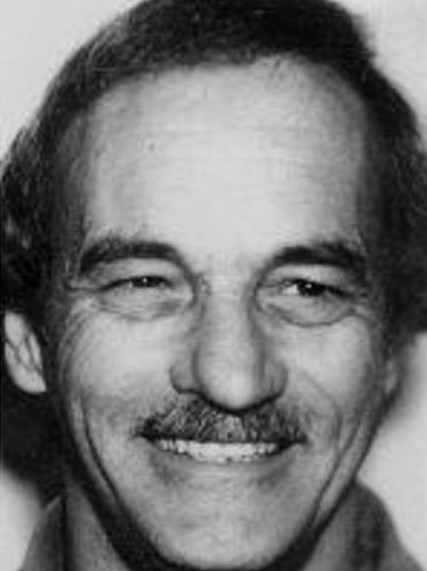
David Andrew Spears A 43-year-old Winter Garden construction worker who went missing on May 19, 1990. His nude body was found along US Hwy 19 on June 1, 1990, in Citrus County. He had been shot six times in the torso with a .22 pistol.
Charles Edmund Carskaddon A 40-year-old part-time rodeo worker, Carskaddon was shot nine times in the chest and stomach with a .22 caliber weapon on May 31, 1990. His body was found in Pasco County. The body had been wrapped in an electric blanket and was badly decomposing when found. Witnesses saw Wuornos in possession of Carskaddon’s car, and Wuornos had also pawned a gun identified as belonging to Carskaddon.
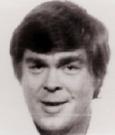
Peter Abraham Siems A 65-year-old man who disappeared in June 1990 while traveling from central Florida to Arkansas. His car was found in Orange Springs on July 4, 1990, but his body was never recovered. Witnesses identified Wuornos and Moore as the two people seen leaving the car and Wuornos’ handprint was found on the interior door handle.

Troy Eugene Burress A 50-year-old sausage salesman from Ocala, Florida, found in Marion County on August 4, 1990, less than a week after he was reported missing. His body was fairly decomposed, but the medical examiner determined the cause of death was two gunshots to the torso.
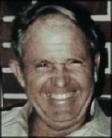
Charles Richard “Dick” Humphreys A 56-year-old retired U.S. Air Force Major and former Chief of Police, murdered in Marion County on September 11, 1990 and found the next day. His body was fully clothed and had suffered seven gunshots to the head and torso. His car was later found in Suwannee County.
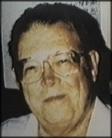
Humphreys
Walter Gino Antonio A 61-year-old trucker, security guard, and reserve police officer found near a remote logging road in Dixie County on November 19, 1990. He had been shot four times in the back and head. Five days later, his car was found in Brevard County.

Wuornos robbed all of the victims before shooting them to death and stealing their cars. Her initial claim of self-defense, alleging that the men had raped or attempted to rape her, was later retracted. However, in a private interview with filmmaker Nick Broomfield, she maintained that the first victim, Richard Mallory, had indeed raped her and that she killed him in self-defense. She expressed a deep weariness of life on death row and a desire to die, which may have contributed to her conflicting statements about her motives.
In the next article in this series, we will examine Aileen’s trial and the mental state that led to her actions.
Sources
- Biography.com has a really great article on Wuornos.
- This book, Dear Dawn, is a collection of Wuornos’s letters from prison to her childhood friend, Dawn Botkins. It is truly a special book, giving us a look inside her thoughts and her communications with one of the few people in life who truly cared about her.
- Monster is a book written by Wournos along with Christopher Berry-Dee. I’m not a fan of the title, as I truly believe she is more of a victim than a monster, but this is a great book with excellent insights and analysis.
As an Amazon Associate, I earn from qualifying purchases. I include the links to books that I have found interesting.
 The Crime Chronicles
Leave a comment