Vlado Taneski was a Macedonian journalist who became infamous for his role in a series of gruesome murders that shocked the small town of Kičevo. His story is a chilling example of how a seemingly ordinary individual can harbor dark secrets, and how the pursuit of sensationalism can lead to a horrifying descent into violence.
Born in 1952, Taneski grew up in Kičevo, a quiet town in the former Yugoslavia. He pursued a career in journalism, eventually becoming a well-respected reporter for a local newspaper.
He was known for his meticulous reporting and his ability to uncover hidden details in seemingly mundane stories. However, beneath this façade of normalcy lurked a disturbed mind.
The Kičevo Monster
Between 2005 and 2008, Kičevo was terrorized by a series of brutal murders. The victims were all elderly women, and the crimes were marked by their savagery. The killer would bind, torture, and sexually assault his victims before ultimately taking their lives.
The town was gripped by fear, and the police were baffled. How could a small town in Macedonia host a serial killer? The perpetrator was dubbed the “Kičevo Monster.”
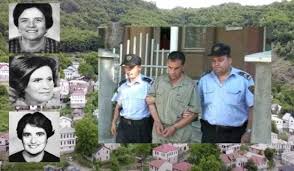
Taneski, as a journalist, was naturally drawn to the story. He covered the murders extensively, providing detailed accounts of the crimes and the ongoing investigation. His articles were filled with graphic descriptions of the victims’ injuries and the crime scenes. He seemed to have an uncanny knowledge of the murders, often revealing details that had not been released to the public. The journalist’s intimate knowledge of the crime scene details, such as the specific phone cord used and how it was left at the scene, as well as the timeline of the victims’ deaths, piqued the police’s interest.

Law enforcement became suspicious when it became clear that Taneski possessed information that the authorities had intentionally withheld from the public.
The Victims
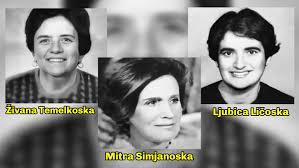
- Mitra Simjanoska (64) – Mitra disappeared on November 16, 2004 after a trip to the market. She was found January 12, 2005. She had been strangled, bound, tortured, and raped, and had been dead for less than two weeks.
- Ljubica Licoska (56) – Ljubica disappeared in early November 2007 after going to buy groceries. Her body was found on February 3, 2008. She had been strangled, bound, beaten, and raped, and had been dead for only a few days.
- Zivana Temelkoska (65) – Zivana disappeared on May 7, 2008, after a hoax about her son being hospitalised. Her body was found on May 16. She had been tortured, raped, strangled, and was bound with telephone cords.
- A fourth woman, 78-year-old Gorica Pavleska, who disappeared in 2003, was thought by police to be the killer’s first victim, but her body was never recovered.
Unraveling the Mystery
Taneski’s in-depth knowledge of the crimes eventually aroused the suspicion of the police. They began to investigate him, and soon discovered a disturbing pattern. The victims were all women who had known Taneski’s mother, and the murders seemed to mirror the abuse that Taneski himself had suffered at the hands of his mother.
Further investigation revealed that Taneski truly lived a double life. His wife of 31 years said “He was always quiet and gentle. The only time I ever saw him get aggressive was when we were living with his parents.” Colleagues didn’t believe it at first. “He was a nice and educated guy who seemed completely normal. When the police rang me to say, ‘Your reporter is the murderer,’ I could barely believe my ears,” one of the paper’s crime reporters said. The police also discovered that Taneski had been using his journalistic access to gain information about the investigation, even going so far as to interview the lead detective on the case.
The DNA Evidence
The final piece of the puzzle fell into place when DNA evidence linked Taneski to the murders. He was arrested on June 20, 2008, and the town was stunned. The respected journalist, the man who had been reporting on the murders, was the killer all along.
Taneski denied the charges, but he would never stand trial. On June 23, 2008, he was found dead in his cell. He had committed suicide by drowning himself in a bucket of water.
The Legacy of Vlado Taneski
Vlado Taneski’s story is a tragic one. It is a tale of a man who was consumed by his own demons, and who ultimately destroyed himself and others in the process. His case also raises questions about the role of the media in sensationalizing crime, and the ethical boundaries that journalists should observe. His story serves as a reminder that even the most seemingly ordinary individuals can be capable of great evil, and that the pursuit of sensationalism can have devastating consequences.
Sources:
This Mamamia article includes quotes from colleagues and investigators.
This article from the Guardian.
 The Crime Chronicles
Leave a comment