The tranquil coastal town of Mornington, Australia, was shaken to its core in March 2004 when the gruesome details of the Sharpe family murders came to light. John Myles Sharpe, a seemingly ordinary man, committed acts of unspeakable brutality against his pregnant wife, Anna, and their 20-month-old daughter, Gracie. The case, marked by its sheer violence and Sharpe’s subsequent deception, left an indelible scar on the Australian psyche and continues to serve as a chilling reminder of the darkness that can lurk within seemingly ordinary individuals.
A Family’s Hidden Turmoil
On the surface, the Sharpes appeared to be a typical suburban family. John. who worked in the real estate industry as a conveyancer, had married Anna had been married in 1994. They were raising their young daughter in their Mornington home. Anna was also five months pregnant with their second child, a joyous occasion that should have been filled with anticipation and hope.
However, beneath this façade of normalcy, cracks were beginning to appear in the foundation of their marriage. Daughter Grace, born with hip dysplasia, had a hard time sleeping due to the pain and the harness she wore for treatment. Even after growing out of the need for the harness, she had sleeping and feeding challenges.
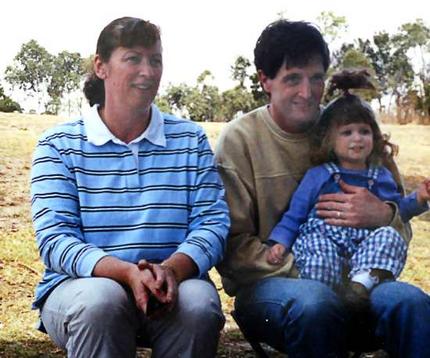
A vibrant and energetic toddler, she was blissfully unaware of the turmoil brewing within her family. Her infectious laughter and playful spirit brought joy to those around her, but her presence also added to the stress John was experiencing. He felt ill-equipped to handle the demands of parenting and resented the attention Anna showered on their daughter.
As Anna’s pregnancy progressed, John’s resentment intensified. He felt trapped and suffocated by the prospect of another child, convinced that he couldn’t handle the additional responsibility. John, grappling with undiagnosed depression and feeling overwhelmed by the responsibilities of fatherhood and his demanding job, harbored a growing resentment towards his wife and the impending arrival of their second child. His mental health deteriorated further, and his once-loving feelings towards his wife and daughter were replaced by a toxic cocktail of anger, despair, and a twisted sense of entitlement. The stage was set for a tragedy that would shatter the lives of everyone involved.
The Unthinkable Crimes
On March 23, 2004, following an argument with Anna, John Sharpe’s simmering resentment boiled over into a horrific act of violence. He retrieved a speargun from his garage and, in a cold-blooded act, shot his pregnant wife twice in the head as she slept. The brutality of the act was amplified by the fact that Anna was carrying their second child, a life that was also tragically extinguished.
The day after the murder, Sharpe took Gracie to day care. When he picked her up, he told them that she would not be returning – he claimed that Anna had left him and would be coming for the baby soon. He also sent away a television repairman who came to the home. John later buried his wife in a shallow grave in their backyard. Unable to remove the spearheads from Anna’s body, he returned to the store to buy more spears. He took Gracie with him as he purchased the spears that would soon kill her.

Unable to reach Anna, family and friends began asking John about her whereabouts. He said that Anna had left him for another man. Her family couldn’t believe that Anna, a devout Catholic, would cheat on her husband. They were even more certain that she would not leave her daughter behind.
Four days later, on March 27, Sharpe turned his murderous rage on his innocent daughter, Gracie. In a scene of unimaginable cruelty, he shot the toddler multiple times with the speargun, leaving her to suffer a slow and agonizing death. The image of a father inflicting such horrific violence on his own child sent shockwaves through the community and beyond.
Unmasking the Monster
Investigators suspected Sharpe, but lacked evidence. He claimed that she had come in a taxi and taken Gracei, but no taxi companies had any record of such a trip. There was activity on Anna’s cell phone and bank cards, further complicating things.
The surveillance team’s patience paid off when they observed Sharpe engaging in highly suspicious behavior. He drove to Chelsea Beach, anxiously checking his surroundings before retrieving a white plastic bag hidden under a bush. Inside the bag was a phone, which he used to make a call, and a bank card, which he used to withdraw cash from a nearby ATM. After carefully replacing everything in the bag and reburying it, he returned home and contacted the Missing Persons Unit with a fabricated story about his wife calling him and using their joint account. The surveillance team, armed with footage of his actions and the knowledge of the phone and card’s location, knew he was lying.
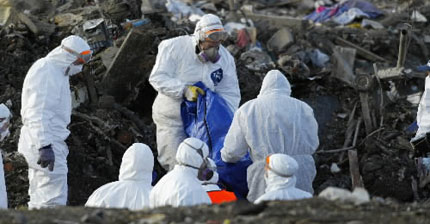
Sharpe’s charade finally unraveled on June 22, 2004. when he was arrested by the police. Initially, he maintained his innocence, but the weight of evidence and the relentless questioning by investigators eventually led him to confess. He led the police to the landfill where he had heartlessly discarded Anna’s dismembered body and Gracie’s remains, further exposing the depths of his depravity.
Justice Served, but Scars Remain
Sharpe pleaded guilty to both murders and was sentenced to life imprisonment with a non-parole period of 33 years. The judge, in his sentencing remarks, described Sharpe’s crimes as “egregiously wicked” and “too awful to contemplate.”
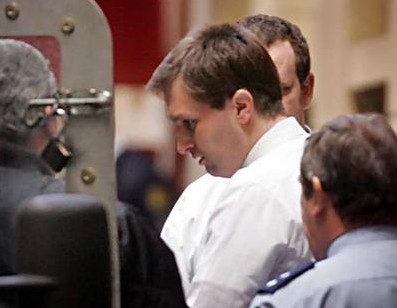
While justice was served, the scars left by the Sharpe family murders run deep. The case continues to haunt the Australian community, serving as a chilling reminder of the potential for violence that can lurk beneath the surface of seemingly ordinary lives.
Conclusion
The Sharpe family murders transcend the headlines, raising important questions about domestic violence, mental health, and the role of the media and law enforcement in such cases. The case underscores the urgent need for greater awareness and action to address these issues and prevent such tragedies from occurring.
The memory of Anna, Gracie, and unborn boy Francis lives on, not as victims of a monstrous crime, but as symbols of the fight against domestic violence. Their tragic deaths have spurred calls for improved support systems for those experiencing domestic abuse and increased vigilance in identifying and intervening in potentially dangerous situations.
Sources:
This MamaMia article is very detailed and well-written.
 The Crime Chronicles
Leave a comment