In the first part of this series, we explored the chilling biography of Jeffrey Dahmer, tracing his path from a troubled childhood to becoming one of the most notorious serial killers in history. Now, in this second installment, we shift our focus to the victims – the young men whose lives were tragically cut short by Dahmer’s horrific crimes. We will delve into their individual stories, examine the patterns in his victim selection, and reflect on the profound impact his actions had on their families and communities.
Individual Stories: Faces Behind the Headlines
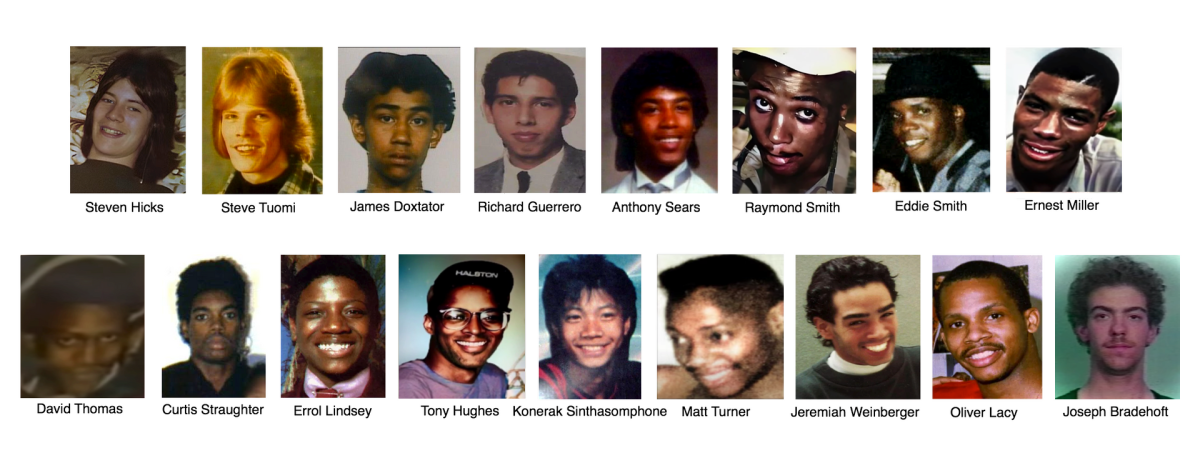
Behind the sensational headlines and gruesome details lies the heartbreaking reality of seventeen lives stolen. Each victim had a name, a story, dreams, and loved ones who mourned their loss. While it’s impossible to fully capture the essence of their lives in a few words, we can offer a glimpse into who they were.
6/18/78 – Steven Hicks: The first known victim, the 18-year-old was hitchhiking to a concert. Dahmer offered him a ride and lured him to his home with a promise of a few beers and a ride to the concert.
11/20/87 – Steven Tuomi: Dahmer met the 25-year-old short-order cook in a bar. He claimed that he planned to drug and rape him, but woke up in the morning and found him dead and had no idea what happened.
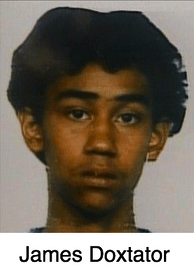
1/16/88 – James Doxtator: At just 14, the Native American boy ran away from home to escape an abusive stepfather. He was offered $50 to pose for some pictures and fell prey to Dahmer’s manipulation.


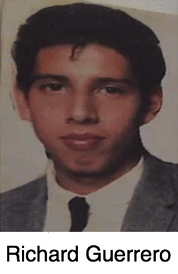
3/24/88 – Richard Guerrero: A 22-year-old aspiring artist with a gentle spirit, Guerrero came from a close family and often babysat his 2-year-old niece.
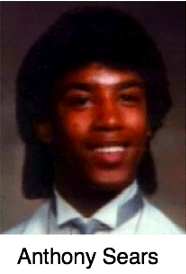
3/25/89 – Anthony Sears: A 24-year-old aspiring model with a bright personality, he was saving money to marry his girlfriend. He met Dahmer at a bar.
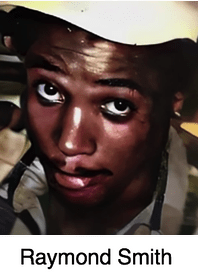
5/20/90 – Ricky Beeks, aka Raymond Smith: After meeting at a bar, Dahmer drugged and killed the 32-year old. He left behind a 10-year-old daughter.
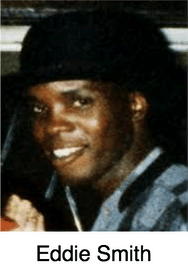
6/14/90 – Eddie Smith: A 28-year old acquaintance of Dahmer’s, he was last seen at a party with his killer. His remains were never found. His family said he hoped to become a model.
9/2/90 – Ernest Miller: The 22-year-old student with a passion for dance met Dahmer outside a bookstore. His aunt and uncle said that he loved to sing in church.
9/24/90 – David Thomas: A 22-year-old drifter searching for a better life, Thomas left behind a 2-year-old child. Dahmer drugged and strangled him.


2/18/91 – Curtis Straughter: A 17-year-old with a love for music, he was working to complete his high school equivalency. He worked as a nursing assistant.
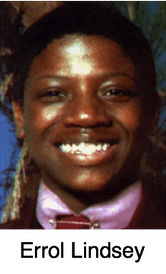
4/7/91 – Errol Lindsey: A 19-year-old young man with a kind heart, he had a close relationship with his sister. His girlfriend was three months pregnant when he was murdered – his daughter never got to meet him.
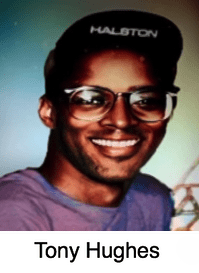
5/24/91 – Tony Hughes: A 31-year-old deaf/mute man who dreamed of finding love, his mother described him as outgoing and happy. He met Dahmer at a bar and communicated with him by writing notes.

5/27/91 – Konerak Sinthasomphone: Dahmer had previously been convicted of molesting Konerak’s older brother. The 14-year-old Laotian boy actually escaped Dahmer’s apartment only to be returned to him by police. Dahmer was able to convince them that Sinthasomphone was his drunk 19-year-old boyfriend.
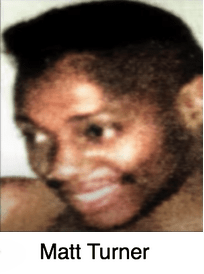
6/30/91 – Matt Turner: A 20-year-old aspiring bodybuilder with a zest for life, he met Dahmer in a Chicago bus station after a Pride Parade. He was convinced to go back to Milwaukee for a photoshoot.
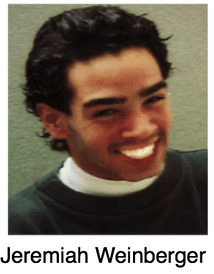
7/5/91 – Jeremiah Weinberger: The 23-year-old visitor to Chicago worked in a video store. He met Dahmer at a bar and was convinced to to Dahmer’s Milwaukee apartment.

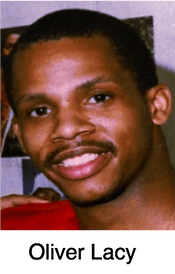
7/15/91- Oliver Lacy: A 24-year-old father of a 2-year-old, he was engaged to be married. He was a bodybuilder who Dahmer lured to the apartment with a suggestion of a photoshoot.
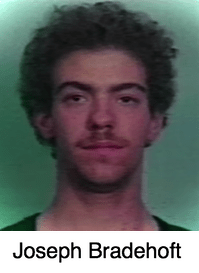
7/17/91 – Joseph Bradehoft: The 25-year-old came to Milwaukee looking for work. He left three children and a wife behind in Minnesota.
7/19/91 – Tracy Edwards: The brave survivor who managed to escape Dahmer’s clutches and lead police to his apartment, ultimately ending his reign of terror. He would have been the 18th victim.

These are just brief sketches of the victims, a reminder that they were real people with hopes and dreams, not just statistics in a horrifying case.
Patterns and Selection: Dahmer’s Modus Operandi
Dahmer’s victims were predominantly young men, often from marginalized communities. He targeted individuals who were vulnerable, such as those struggling with addiction, homelessness, or who were new to the city. He used his charm and manipulative tactics to lure them back to his apartment, where he would drug them, strangle them, and then carry out his gruesome rituals.
Dahmer’s selection process reveals a disturbing pattern. He sought victims he believed would be less likely to be missed or reported missing. He preyed on those who were already on the fringes of society, making their disappearances less likely to attract attention.
During this time period, homosexuality was still not accepted by most of the general public. Without the ability to form open, stable relationships, many gay men met partners in bars or engaged with sex workers. Law enforcement was often reluctant to get involved, as was shown when they dismissed Sinthasomphone’s attempt to escape as a domestic disturbance. This atmosphere made it much easier for Dahmer to go undetected as long as he did.
Impact on Families and Communities: Unfathomable Loss
The impact of Dahmer’s crimes on the victims’ families and communities was devastating. Loved ones were left grappling with unimaginable grief, their lives forever altered by the senseless loss. The sense of safety and security in Milwaukee, particularly within the LGBTQ+ community, was shattered.
The discovery of Dahmer’s crimes also exposed systemic failures within the justice system. The fact that several of his victims were people of color and that the police failed to thoroughly investigate earlier complaints against him raised serious questions about racial bias and police negligence.
Honoring the Victims: A Call to Remembrance
In the face of such horror, it’s essential to remember the victims and honor their memory. Their lives mattered, and their stories deserve to be told. We must acknowledge their suffering and the profound impact their loss had on their families and communities.
Remembering the victims also serves as a reminder of the importance of vigilance and advocacy. We must remain committed to fighting for justice, equality, and the protection of vulnerable individuals. We must work to create a society where everyone feels safe and valued, regardless of their race, sexual orientation, or socioeconomic status.
The legacy of Jeffrey Dahmer is one of darkness and pain. But amidst the horror, we can find glimmers of hope in the resilience of the victims’ families and the ongoing efforts to create a more just and compassionate world.
Conclusion
In the final part of this series, we will examine the investigation, trial, and aftermath of Jeffrey Dahmer’s crimes. We will explore how his reign of terror finally came to an end and reflect on the broader implications of his case for law enforcement, mental health awareness, and society as a whole.
Dahmer targeted vulnerable individuals, often from marginalized communities. How does his case highlight the importance of addressing systemic inequalities and protecting those most at risk? How much do oyu think the stigma of homosexuality helped him to remain undetected for so long?
Sources
- The Shrine of Jeffrey Dahmer by Brian Masters is possibly the best book written about Dahmer. Masters really investigates the psychology behind Dahmer’s actions and has a unique perspective. This is one of the few books that looks at who the victims were as people.
- Watch video of the first Dahmer trial here https://www.courttv.com/trials/wi-v-dahmer-1992/
- Monster: The True Story of the Jeffrey Dahmer Murders by Anne Schwartz is unique because she was the reporter who originally covered the story as it unfolded. Rarely do we get books from someone who was there to witness much of the investigation firsthand.
- A Father’s Story by Lionel Dahmer is at once both fascinating and infuriating. It is certainly slanted to present Lionel in the best light and paint Joyce as a terrible wife and mother, so read it with that understanding. But it’s still an important read.
As an Amazon Associate, I earn from qualifying purchases. I include the links to books that I have found interesting.
 The Crime Chronicles
Leave a comment