Jeffrey Dahmer, the name synonymous with horror and depravity, remains one of the most infamous serial killers in history. His gruesome crimes, involving murder, cannibalism, and necrophilia, shocked the world and left an indelible scar on the collective psyche. But before the headlines and the horrifying discoveries, there was a young boy named Jeffrey, growing up in seemingly ordinary circumstances. This first part of our three-part series will delve into Dahmer’s early life, exploring his childhood, adolescence, and the chilling path that led him to become a monster.
Childhood and Adolescence: The Early Signs
Born on May 21, 1960, in Milwaukee, Wisconsin, Jeffrey Lionel Dahmer was the first child of Lionel and Joyce Dahmer. His childhood seemed relatively unremarkable at first glance. However, a closer look reveals subtle signs of trouble brewing beneath the surface.
Lionel and Joyce frequently argued, and these arguments sometimes became physical. While there was no physical abuse of the children, they witnessed their parents’ fights regularly. The boys were generally neglected, as Lionel was frequently away from the home and Joyce struggled with her own mental illness.
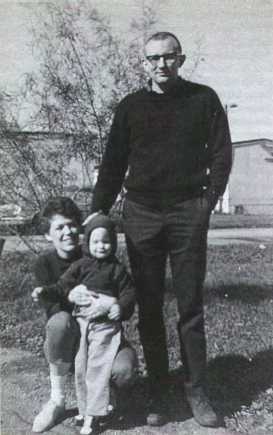
Dahmer himself stated that he had a loving relationship with his mother, and Joyce was clearly devastated and shocked when his crimes came to light. However, she also suffered from alcoholism, anxiety and depression, and other mental illnesses. This had a profound effect on Jeffrey’s development. She took Equanil to combat her anxiety, and at one point was reportedly taking over 26 different pills a day. On at least one occasion when he was young, Jeffrey found his mother in bed and was unable to wake her. She had overdosed on a combination of Equanil and alcohol. There are varying opinions on whether it was an accident or a suicide attempt.
As a young boy, Dahmer displayed an unusual fascination with dead animals. He would collect roadkill and dissect them, often storing the remains in jars. A chemist and researcher, Lionel thought that Jeffrey was showing a healthy scientific curiosity.
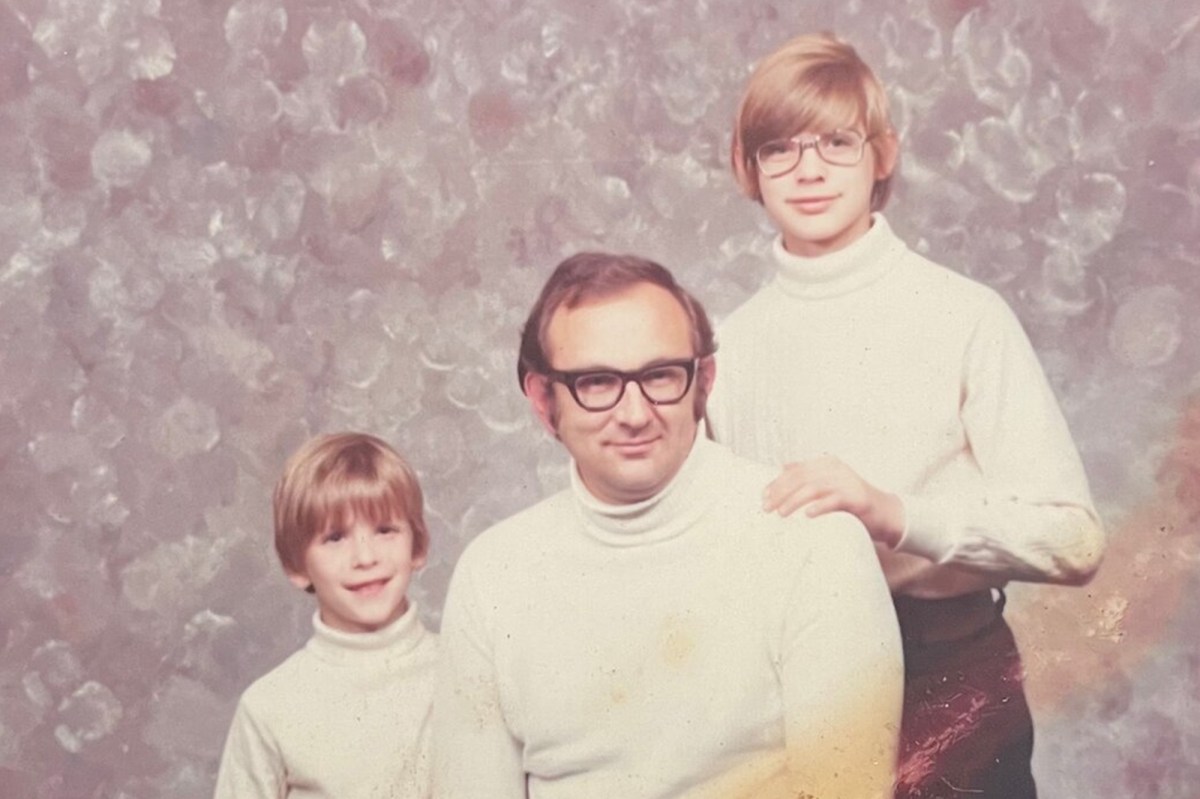
He showed the 8-year-old how to bleach and preserve bones, which he collected and stored in a shed. This was not just a healthy interest in science – it was a harbinger of the darkness that would later consume him.
Dahmer’s adolescence was marked by social isolation and withdrawal. He struggled to connect with his peers and was often the target of bullying. His introverted nature and odd interests further alienated him, pushing him deeper into his own world of macabre fantasies. By the time he left high school, he was a full-blown alcoholic and was constantly fantasizing about capturing a hitchhiker and keeping them prisoner.
Emerging Darkness: The First Killing
Dahmer’s descent into depravity began in 1978, shortly after his high school graduation. At the age of 18, he committed his first murder, killing a hitchhiker named Steven Hicks on June 18 of that year. Dahmer lured Hicks to his home, offering him alcohol and a place to stay. Once inside, Dahmer bludgeoned Hicks to death, dismembered his body, and buried the remains in his backyard.
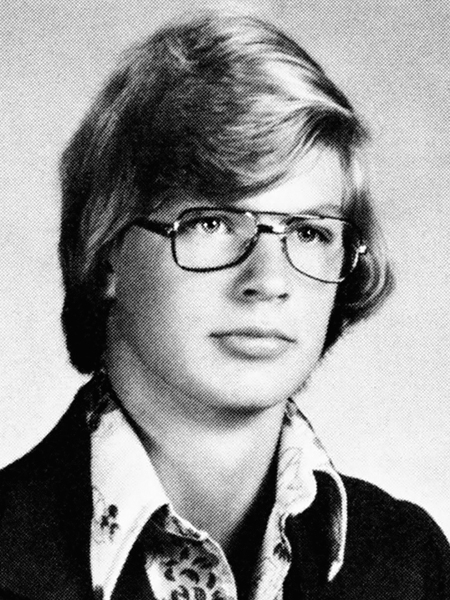
This first killing marked a turning point in Dahmer’s life, but it would be nearly a decade before he would kill again. In the intervening years, Dahmer struggled with alcoholism and drifted from one dead-end job to another. He also served in the U.S. Army for a brief period but was discharged due to his drinking problem. During this time, his fantasies grew increasingly violent and disturbing.
The Resurfacing
In 1987, Dahmer’s murderous urges resurfaced. He began frequenting gay bars and bathhouses, targeting vulnerable young men. He would lure them back to his apartment, drug them, and then strangle them to death. Dahmer’s modus operandi evolved over time. He began experimenting with necrophilia and cannibalism, keeping body parts as trophies and even attempting to create “zombies” by drilling holes into his victims’ skulls and injecting acid into their brains.
Conclusion
Jeffrey Dahmer’s story is a chilling reminder of the darkness that can lurk within seemingly ordinary individuals. It serves as a cautionary tale about the importance of addressing mental health issues, recognizing warning signs, and creating a society that fosters empathy and acceptance. While we may never fully understand the depths of Dahmer’s depravity, we can learn from his case and strive to prevent such horrors from happening again.
In the next part of this series, we will turn our attention to the victims of Jeffrey Dahmer, remembering the lives lost and honoring their memory.
Dahmer’s childhood was marked by his mother’s mental illness and his father’s absence. Looking back, we can see clear warning signs that something was not right. What can we do as a society to identify and support people at high risk of becoming serial killers? Do you think that we can ‘save’ people like Dahmer?
Sources
- The Shrine of Jeffrey Dahmer by Brian Masters is possibly the best book written about Dahmer. Masters really investigates the psychology behind Dahmer’s actions and has a unique perspective. This is one of the few books that looks at who the victims were as people.
- Watch video of the first Dahmer trial here https://www.courttv.com/trials/wi-v-dahmer-1992/
- Monster: The True Story of the Jeffrey Dahmer Murders by Anne Schwartz is unique because she was the reporter who originally covered the story as it unfolded. Rarely do we get books from someone who was there to witness much of the investigation firsthand.
- A Father’s Story by Lionel Dahmer is at once both fascinating and infuriating. It is certainly slanted to present Lionel in the best light and paint Joyce as a terrible wife and mother, so read it with that understanding. But it’s still an important read.
As an Amazon Associate, I earn from qualifying purchases. I include the links to books that I have found interesting.
 The Crime Chronicles
Leave a comment